
When you’re planning to buy land in Ohio—whether for residential development, investment, recreation, or building your dream home—you’ll likely encounter two terms: raw land and improved lots.
Both offer opportunities. But depending on your goals, timeline, and budget, choosing the right type of land (and understanding how to finance it) could save you thousands and help avoid costly delays.
In this guide, we’ll explore the key differences between raw and improved land, how each affects your lot loan options, what to know about raw land vs improved lot financing in Ohio, and how to progress from land loan to construction readiness.
What Is Raw Land?
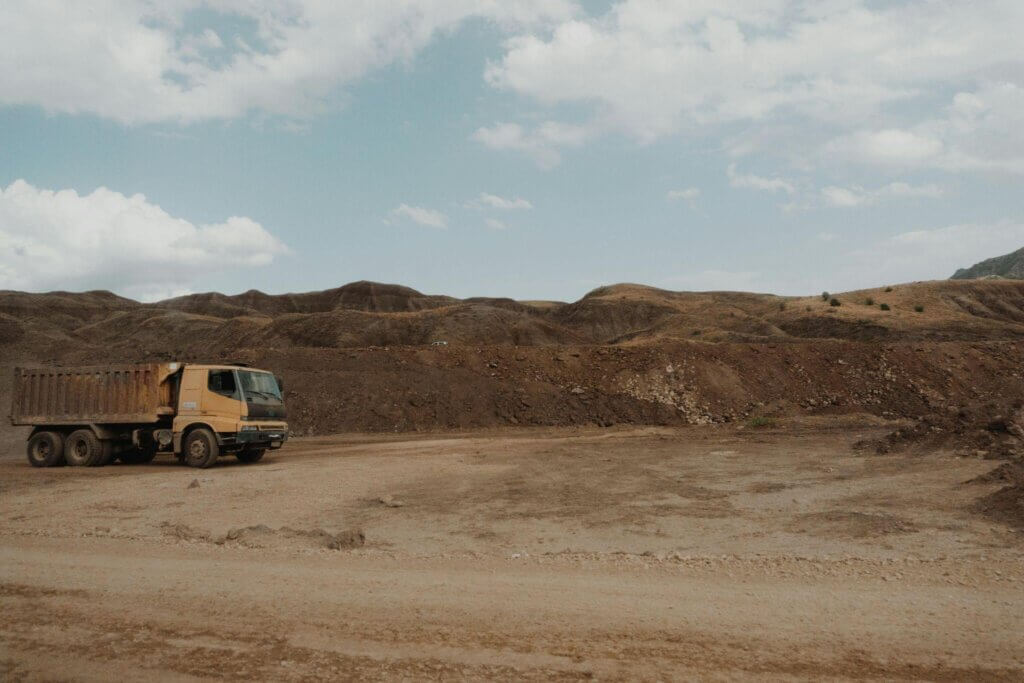
Raw land is undeveloped land that has never been built on and usually lacks utilities, road access, and infrastructure like grading or drainage. It’s essentially a blank slate.
Common characteristics:
- No utility hookups (water, sewer, electricity)
- No road or driveway access
- Unzoned or agriculturally zoned
-
No permits or entitlements
-
Often cheaper per acre
Raw land can be great for long-term investments, hunting land, or custom rural homes, but it usually comes with higher risk and stricter financing terms.
What Is an Improved Lot?
An improved lot refers to land that has already been developed in some way to prepare it for construction. This could include grading, drainage, and crucially—access to utilities.
Common improvements:
- Paved or gravel driveway access
- Sewer, water, gas, or electricity connections
- Graded and surveyed land
- Ready for permits or already permitted
Improved lots are typically more construction-ready, which makes them easier to finance and quicker to build on.
Key Differences Between Raw and Improved Land
| Category | Raw Land | Improved Lot |
| Cost per acre | Lower | Higher |
| Utility access | None or minimal | Full or partial utilities |
| Permits/Entitlements | Unlikely | Often in place |
| Financing availability | Limited options, higher down payments | Easier to finance, better terms |
| Development timeline | Long-term (months or years) | Shorter, faster path to construction |
| Best for | Investment, recreation, custom rural homes | Residential builds, developers, builders |
Raw Land vs Improved Lot Financing in Ohio
If you’re comparing raw land vs improved lot financing in Ohio, the main differences are in loan structure, down payment, and interest rates.
Raw Land Loan Features:
- Down payment: Often 35–50%
- Term: 5–15 years
- Interest rate: Higher than home or lot loans
- Usage: May require a detailed plan or zoning change
Improved Lot Loan Features:
- Down payment: Typically 10–30%
- Term: 10–20 years
- Interest rate: Lower than raw land
- Easier transition to construction loan
Many Ohio lenders, including Cleveland Mortgage, prefer improved land for lot loans because of its lower risk profile and shorter timeline to construction.

Land Loan Rates and Terms in Ohio
Land loan rates in Ohio vary depending on the lender, credit score, and property condition. Here’s what you can expect:
| Loan Type | Typical Rate (as of 2025) | Down Payment | Key Terms |
| Raw Land Loan | 8.5%–12% | 35%–50% | Higher risk = stricter requirements |
| Improved Lot Loan | 6%–8% | 10%–30% | May qualify for lot + construction combo loans |
| Acreage Loans (50+ acres) | 9%–11% | 30%–50% | Zoning may affect loan approval |
Check if your lender offers land-to-construction loan options so you can consolidate financing once you’re ready to build.
Construction Readiness: What Lenders Want
Lenders assess how “construction-ready” a parcel is before approving financing. Here’s what affects readiness:
For Raw Land:
- Soil testing and perc test results
- Zoning approvals or change requests
- Plans for utility installation
- Detailed construction timeline
- Site surveys and access road plans
For Improved Lots:
- Site grading and plot map
- Established driveway or access road
- Utility hook-up or proximity verification
- Zoning confirmation (residential)
- Building permit application (if applicable)
Being construction ready can help you reduce land loan rates, secure better terms, and move smoothly into your building phase.
Land Loans for Acreage and Hunting Land
Large parcels—such as hunting land or farm acreage—require different loan strategies.
Considerations for acreage loans in Ohio:
- May not qualify for traditional mortgage-style financing
- Often require larger down payments
- Use may be restricted (agricultural, recreational only)
- Utilities may not be accessible
- Environmental review may be required
If you’re buying 50+ acres, look into farm credit lenders or specialty land loan providers who understand rural and recreational property financing.
Down Payments and Financing Tips
Down Payment Expectations:
- Raw land: 35–50%
- Improved lots: 10–30%
- Acreage or recreational: Up to 50%
Tips to improve financing odds:
- Check credit scores: 680+ preferred
- Provide detailed plans: Development timeline, future use
- Use local lenders: They know Ohio zoning, land values, and regulations
- Bundle land + construction: Saves time and may reduce fees
- Research zoning: Avoid surprises that block your plans

Choosing the Right Path: Lot Loans → Construction Loans
If your end goal is to build, work with a lender who offers a lot loan-to-construction loan path.
What this process looks like:
- Lot Purchase Loan (raw or improved land)
- Design and Planning Phase
- Builder selection and bids
- Construction Loan Approval
- Land loan rolls into construction loan or gets paid off
This process simplifies financing and avoids the hassle of reapplying from scratch once you’re ready to build.
FAQs About Buying and Financing Land in Ohio
1. What’s better for building a home: raw land or improved lot?
An improved lot is usually better if you’re looking to build within 6–12 months. It saves time and financing is easier due to access to utilities and zoning alignment.
2. Is it hard to get a loan for raw land in Ohio?
Not impossible—but more difficult. You’ll need a higher down payment, strong credit, and a detailed use plan. Many lenders see raw land as high-risk.
3. Can I get a loan for hunting or recreational land?
Yes, but typically through specialized lenders or farm credit institutions. These loans may not allow immediate construction and often have shorter terms.
4. What’s the average interest rate on land loans in Ohio in 2025?
Rates range from 6%–12%, depending on the land type. Improved lots usually qualify for lower rates than raw land or acreage loans.
5. Can I roll my land loan into a construction loan later?
Yes, many lenders offer a land-to-construction loan program. It’s best to plan for this early and choose a lender who offers both products.
Final Thoughts
When deciding between raw land vs improved lot financing in Ohio, the best choice depends on your goals, timeline, and budget.
- Choose raw land if you want long-term investment or don’t plan to build right away.
- Choose an improved lot if you’re building soon and want easier financing and faster permitting.
Understanding how lot loans, construction readiness, and land loan rates work will help you avoid surprises and move forward with confidence. Whether you’re buying land for a dream home, hunting retreat, or investment, success starts with selecting the right land—and partnering with a lender who understands your vision.
If you’re ready to take the next step, contact us today to explore flexible land loan options tailored to your needs. Our team is here to guide you from purchase to construction—every step of the way.